Good day!
Since I was little I used what seems to be called "medical tweezers" to bent wires of through hole parts, and to make some turns before wire goes through the hole to elevate the part from the board a bit.
At that time that what was available to us and what my father (EE by profession) used. But that is medical tool... What is commonly used to do that? What do you use?
I don't have those tweezers anymore (were made in USSR) and currently looking to buy appropriate tool for that.
Medical tweezers look like this:

At work I tend to use mostly Erem tweezers, often rebranded as weller tweezers. Really happy with them.
Erem tweezers, like these:

Are they good to bend wires of through hole components?
They're super handy for generic, bigger stuff. I regularly use medical tweezers from pharmacy for all larger and through-hole parts instead of dangerously pointy and a bit fragile SMT ones. They're also very useful for plucking/inserting leads and wires into breadboard.
Just watch you don't get them magnetized (unless you have an electric demagnetizer), they will *really* annoyingly attract component leads and you can't fully demagnetize them with static magnet magnetizer/demagnetizer.
At work I tend to use mostly Erem tweezers, often rebranded as weller tweezers. Really happy with them.
Weller owns Erem now, so they’re all being branded as “Weller Erem”. I concur that they’re the best I’ve ever used.
I use those "titanium precision tweezers" from aliexpress (beware there are fake ones with compromised quality)
Thanks for the links! Do you actually use them to bend parts' legs? Like 1/4 W resistors legs? or BJT in TO92?
No, using any of the high quality tweezers above for bending through-hole component leads will immediately twist the tips and ruin them.
Fine nosed electronics pliers are the tool for that job.
P.S. If you search ebay for surgical pliers or surgical forceps you will get plenty of hits for good quality tools at low price. Many of them are intended for dentistry, so you can get all sorts of interesting shapes, Tungsten carbide jaws etc.
I use pliers (available in a bewildering array of "jaw types" and prices) or an actual "part lead bender."I think a cheap set of pliers is likely to work better than a cheap set of tweezers...
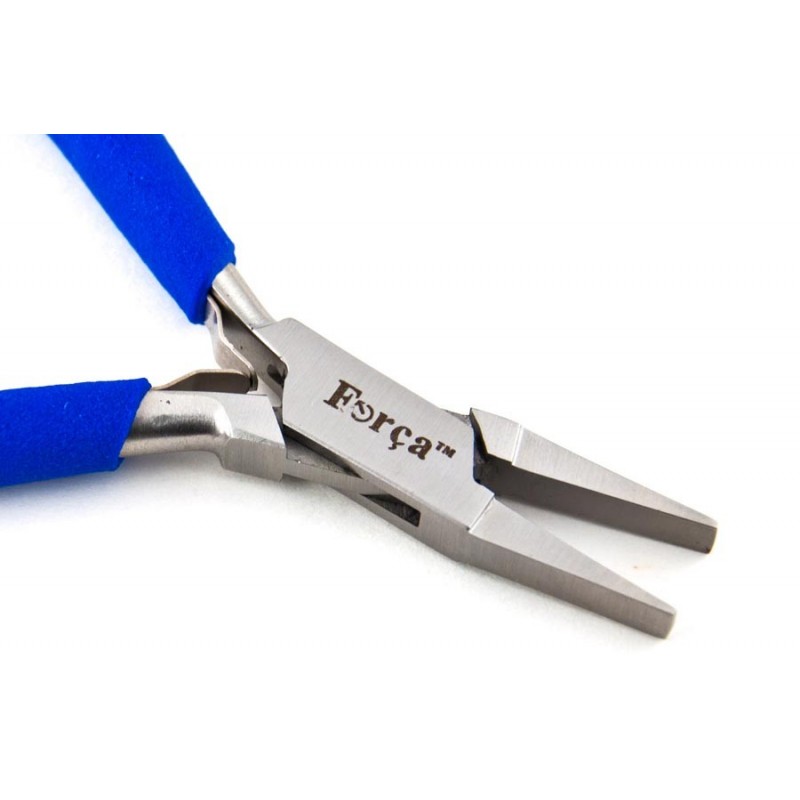
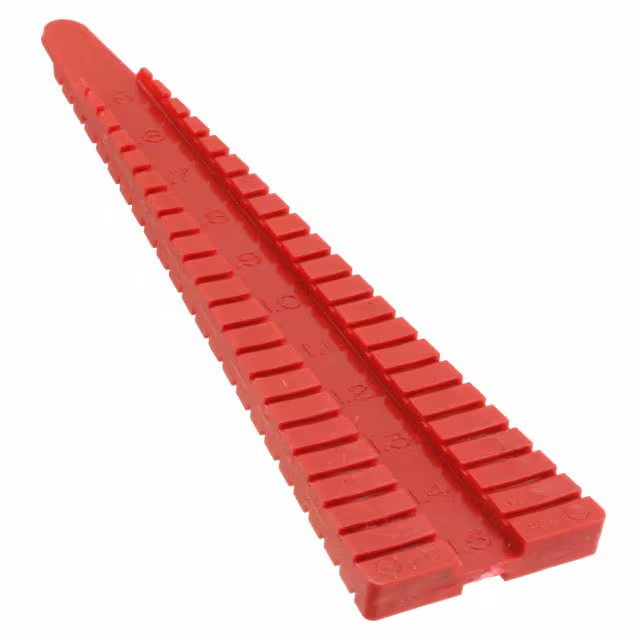
There are all sorts of specialist vendors like:
https://www.circuitspecialists.com/hand-tools-and-power-tools that service the electronics industry. Further most suppliers of electronic components like Digikey have a considerable number of tools.
Personally I prefer a collection of different tools depending upon exactly what is being done at the moment. The main go to tools are needle nose pliers and I have these in a variety of sizes from tiny to those suitable for an ham fisted electrician. Even with tweezers it is a good idea to have a variety of them available. Also consider tweezers that are self holding and the related hemostats. That is tweezers that hold or clamp like:
https://www.2spi.com/item/0sn4p-xd/tweezers/ without any need for the user to manually manipulate (there are times when simply applying a little weight to a wire can solve an assembly problem.
In the end you need to check out the catalogs from the various tool manufactures and see what works for you. It is unlikely that one tool will ever do every job well, but you will end up with a favorite. As others have mentioned in most cases a good pair of needle nose are a better choice for handling heavier wire / leads.
This is what I have for bending leads. Paid less than half the retail price with manual. Works a treat. I also have various tweezers and pliers but this is fun to use.

