Just had this Fluke 750A Reference Divider open on my bench for a look, so took a few quick pictures.
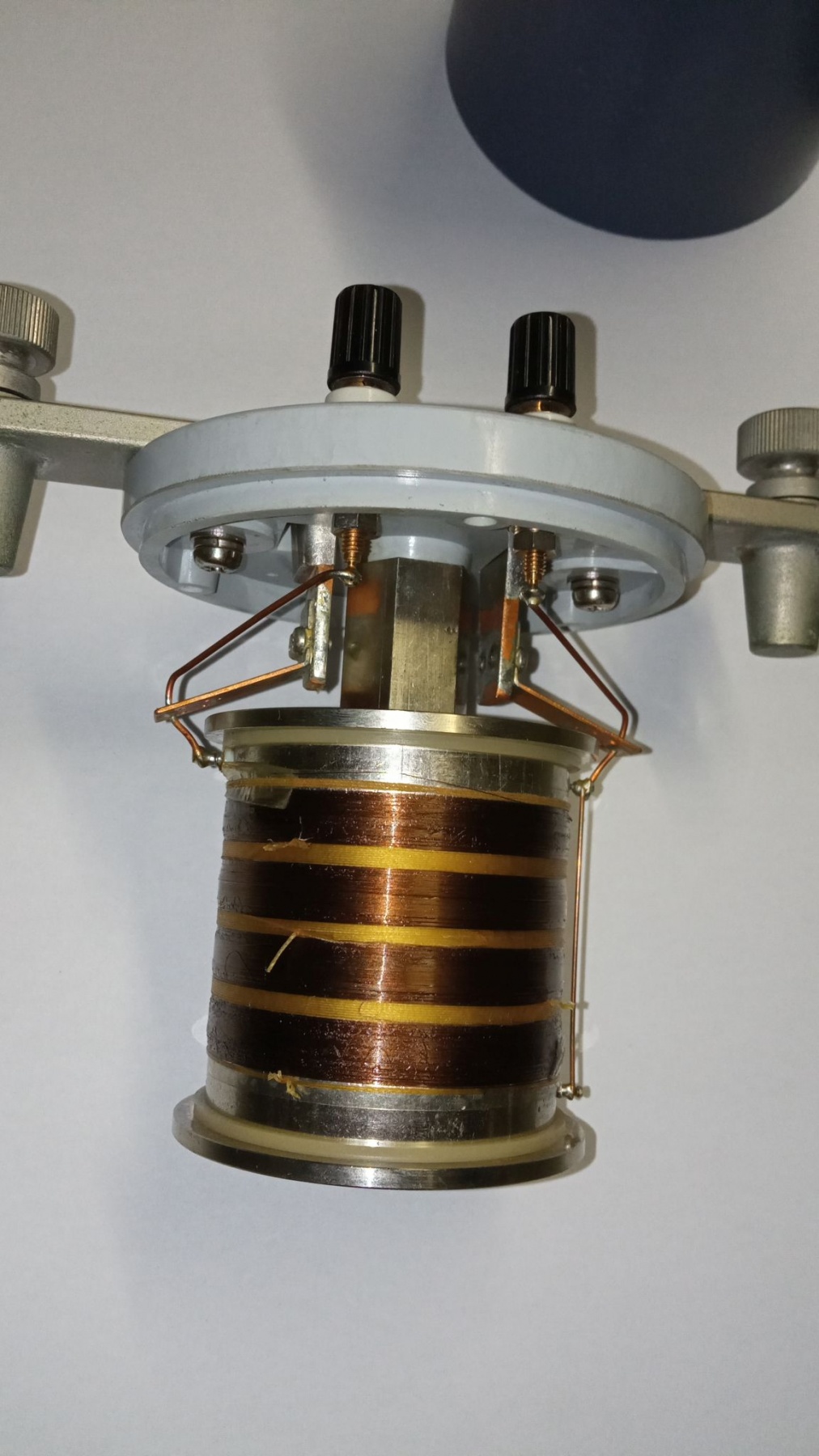
I found a mechanically damaged standard so I tore it down and saw something interesting.
It was made in Poland in the seventies by the 'Inco' factory.
It is 0.1 ohm, 1W in air/ 3W in oil. tolerance 0.01% Manganin.
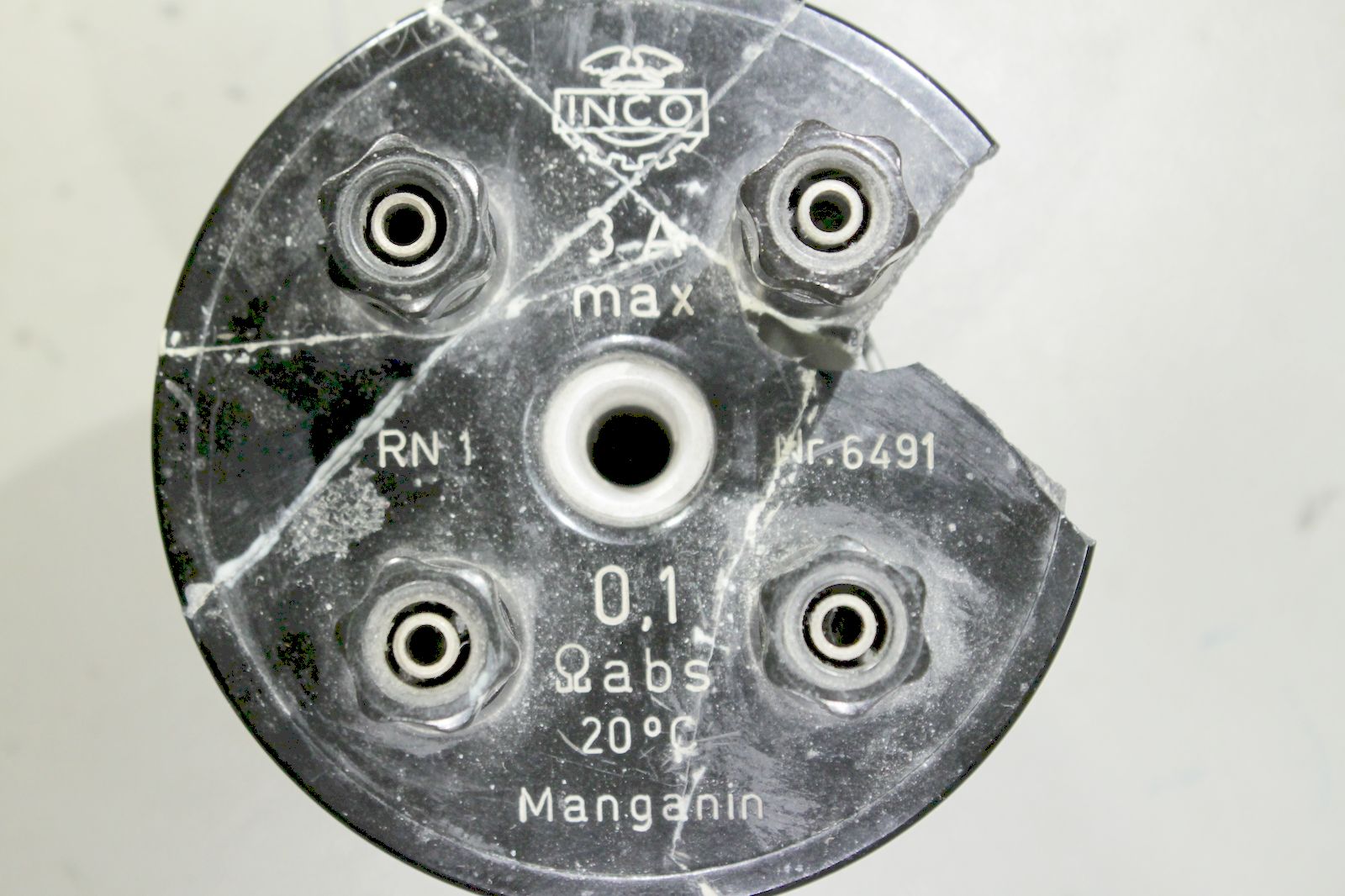
It is built as parallel connection of two coils wound in opposite directions.
I measured the inductance and obtained 200nH.
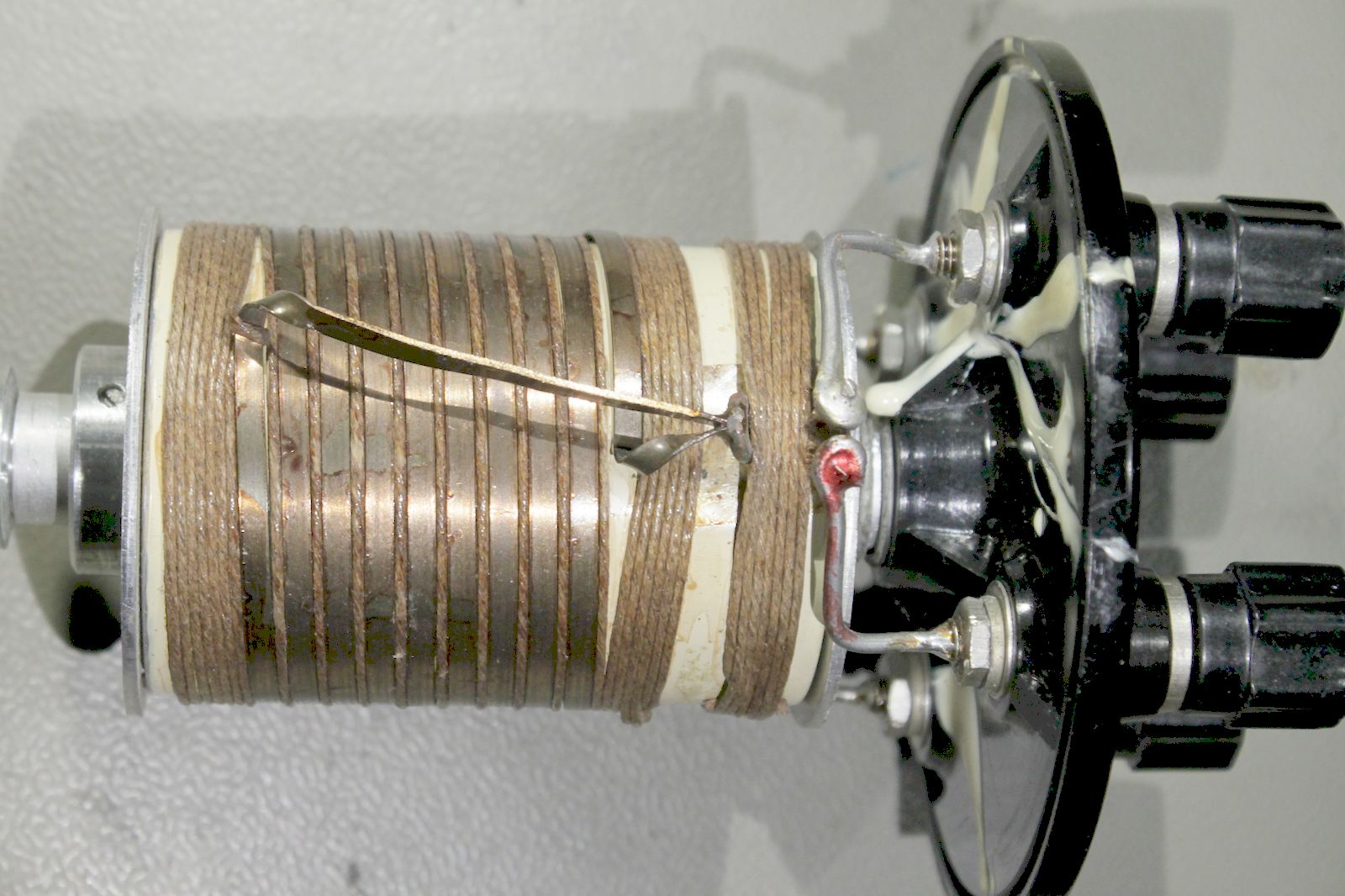
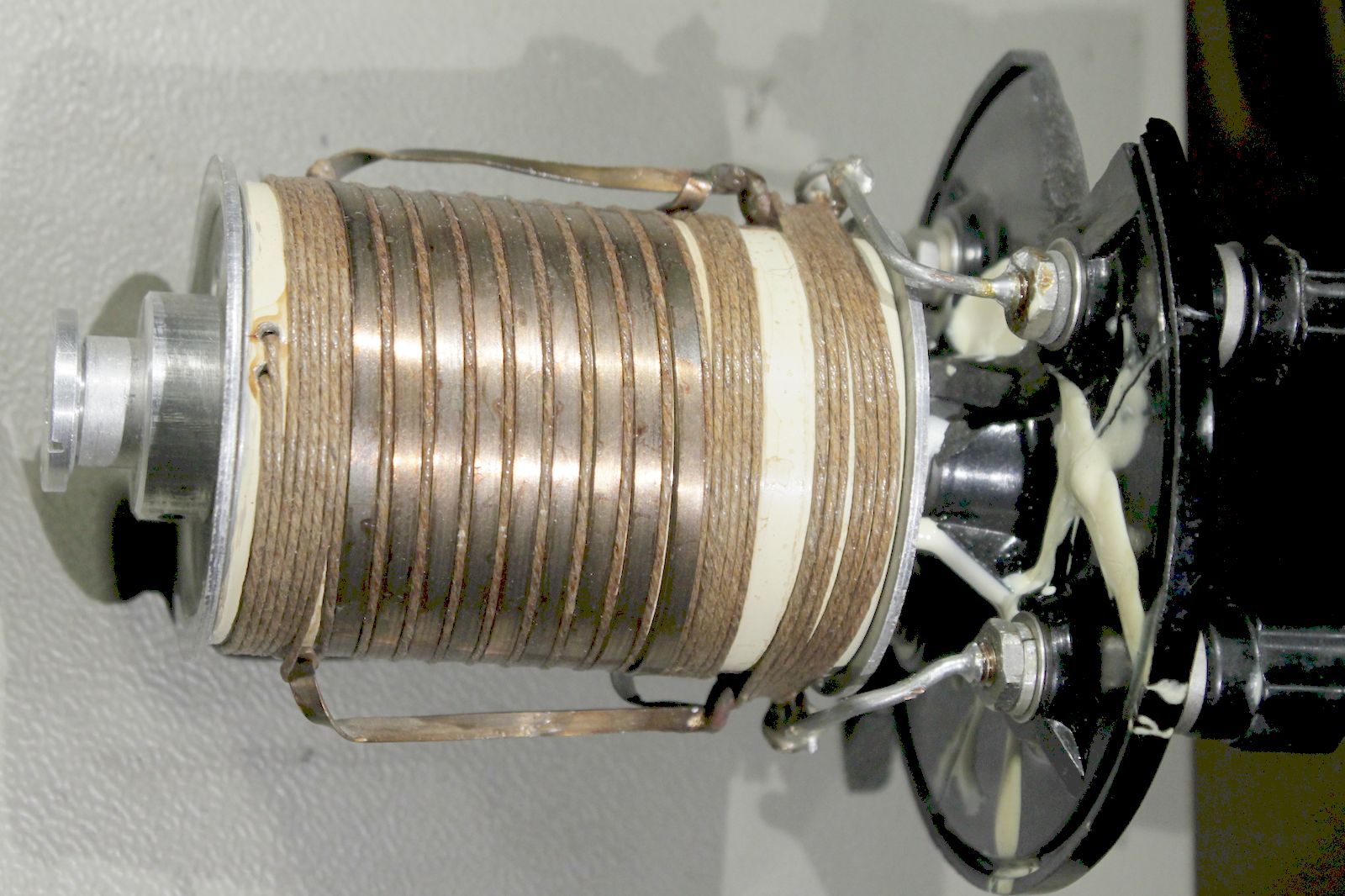
Can you tell what insulation was used? I know that cotton and silk were common, years ago, but I don’t know what was preferable in oil.
First of all the manganin tape is coated with laquer or enameled.
It is wound on an aluminum bobbin covered with some kind of insulating paint.
The twine is used only as a spacer and mechanical holder for the manganin tape.
It is wound on an aluminum bobbin covered with some kind of insulating paint.
Interesting resistor, I have never heard of that company.
Are you sure it is an aluminum bobbin?
May be it is an insulator made of Aluminum Oxide?
What is its reading, is it still stable?
Yes, double checked that. The bobbin is for sure made of Al, but the winding has some free space to move.
Value measured: 0,0999975 ohm (setup uncertainty approx. +/-30ppm).
The insulator looks rather like enamel which is sometimes used on cooking pots

That seems to be a very nice Manganin resistor, they usually have 10ppm/K temperature drift.
May be you can find a nice new housing for this resistor.
New puppy in the lab.
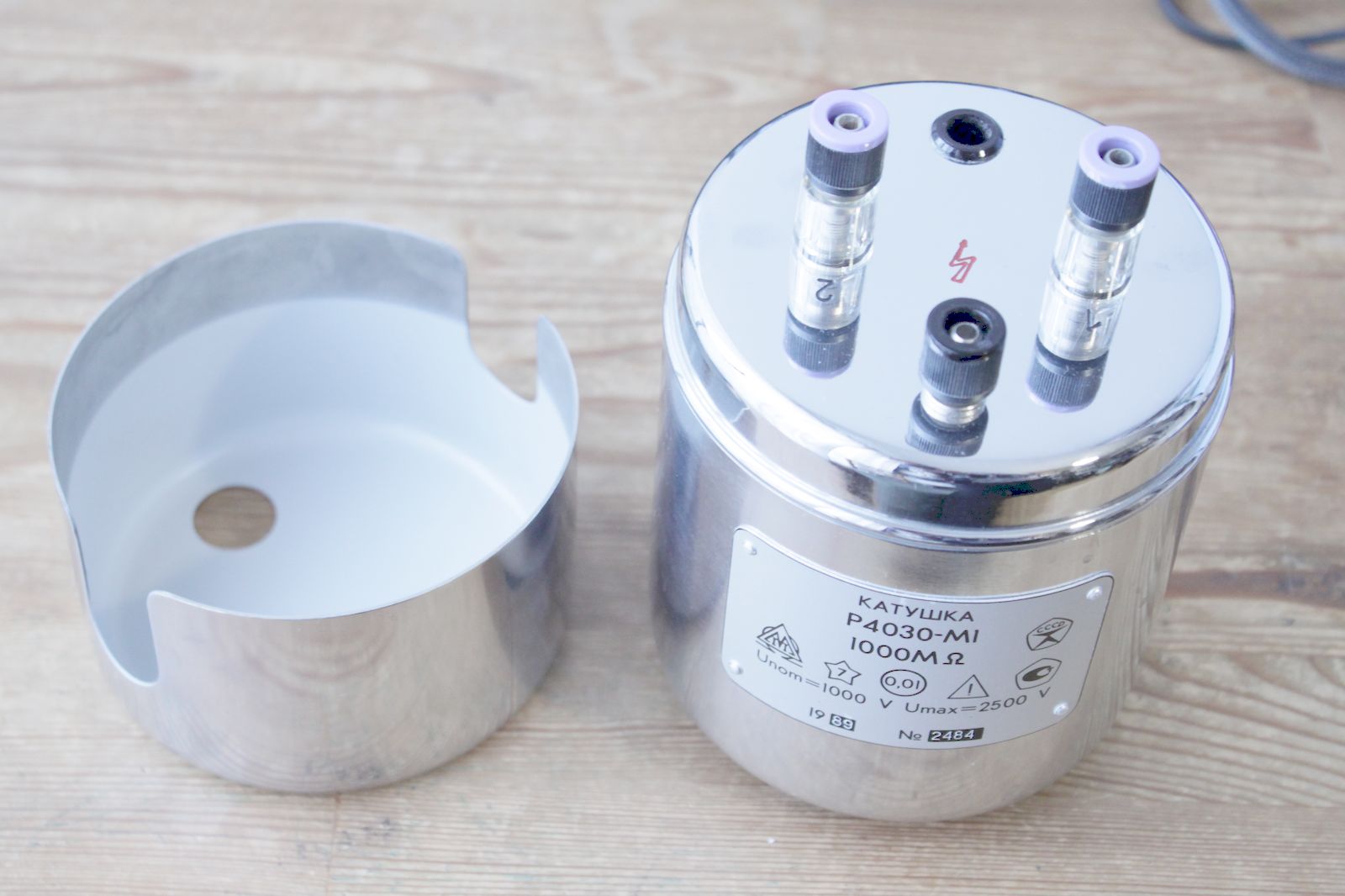
R4030-M1 (Р4030-м1) made in USSR wirewound 1G ohm standard. Umax 2500V
Tol 0.01%, TC in my case: alpha: 8ppm/C; beta: 0 (quoting individual specs sheet).

It is made as series connection of two microwire hermetic resistors (bigger than shown on a picture) and a selected resistor or potentiometer.
Just had this Fluke 750A Reference Divider open on my bench for a look, so took a few quick pictures.
What's that block in the middle? PN184986
Is that a lot of TO-18 style package resistors in a block?
Just had this Fluke 750A Reference Divider open on my bench for a look, so took a few quick pictures.
What's that block in the middle? PN184986
Is that a lot of TO-18 style package resistors in a block?
That's the container for the main divider resistors. It's oil filled (note the filler bolt at the end). The 'TO18 style' things are hermetic feedthoughs.
A look inside hermetically sealed Tinsley 5685A. Photo from DOI:10.1109/CPEM.2008.4574696
100 ohm variant specified at 2ppm/year and 2ppm/K.
Bifilar winding on a fiberglass bobbin with fiberglass spacers. PTFE and bakelite top cover. Paper authors point out poor design of the terminals. Joints seem to be arc welded. Selection of two wire diameters and the way wires are bent before welding makes the process very forgiving, which could indicate they use a simple method like manually pulsed TIG.
HRU standard from Alpha AE (now Vishay).
Specified at 0.1ppm/year (!) 0.05ppm/K. Offered for ~$10k.
Metal foil process, but without any substrate. Ceramic, hermetic, oil filled resistive element body. The element is free floating and only attached by one edge to the body.
Interesting construction details can be found in DOI 10.1109/TIM.2011.2108613, 10.1109/TIM.2018.2879997.
We are a surely a strange bunch to be so interested in pictures of resistors! But to me they look like fine pieces of artwork and I can appreciate the craftsmanship...
I'll add a couple of mine to the collection:
1) Guildline 9200 Resistor / DC Shunt
Looks to be circa 1994, based on NRC (Canada) calibration sticker.
2) J. L. William (Australia) 1k Standard Resistor
I believe J. L. William was well regarded for carefully hand-made standard resistors with low TC in a since-gone era of Australian manufacturing. This one was originally used by NMI Australia.
I have some others but they have been covered already in this thread.
ELC DR-08 decade box, 8 decade, 10MOhm to 0.1 Ohm
1% nominal accuracy

The gray beards soldered 3 SMD parts, otherwise done by the machine.
Banana for scale.
Ok not in the same league as the GR1433 in post #170, and a wee bit older, and the subject of some abuse, but can anyone identify the type of wire used in the Gambrell Bros 4x decade resistance box (photo below) ? The wire can make a joint in solder, and has a form of insulation covering. All coils are wound on the same size wooden bobbin, and are wound bifilar. I'm guessing 1930's but not much info available on Gambrell except for them exhibiting their instrument range in the 1920's and 30's, and they are from England. Nearly every bobbin measures within about 0.1% (only a crude measurement so far with a Keithley 197) so this was likely a base grade lab 1R to 9,999R box for its time.
The wire is Manganin or a similar alloy, wood bobbins would be somewhat out of the ordinary as ceramic was the standard bobbin material even back in the 1920s. Constantan was another alloy commonly used but it had a higher TCR than Manganin (1892) and generally fell out of use as a precision resistor alloy but is still used today. Both alloys can be soldered.
Since the ESI DB62 already showed up here, and I just got my hands on three of them.. hold on , one is different, looks custom..
called SP 3972
pics to follow
The 10 Megs are 005, but no point , the 1Megs are market with +/- .003% , so I assume the 10 Megs are +/- 0.005%

New puppy in the lab.
R4030-M1 (Р4030-м1) made in USSR wirewound 1G ohm standard. Umax 2500V
Tol 0.01%, TC in my case: alpha: 8ppm/C; beta: 0 (quoting individual specs sheet).
It is made as series connection of two microwire hermetic resistors (bigger than shown on a picture) and a selected resistor or potentiometer.
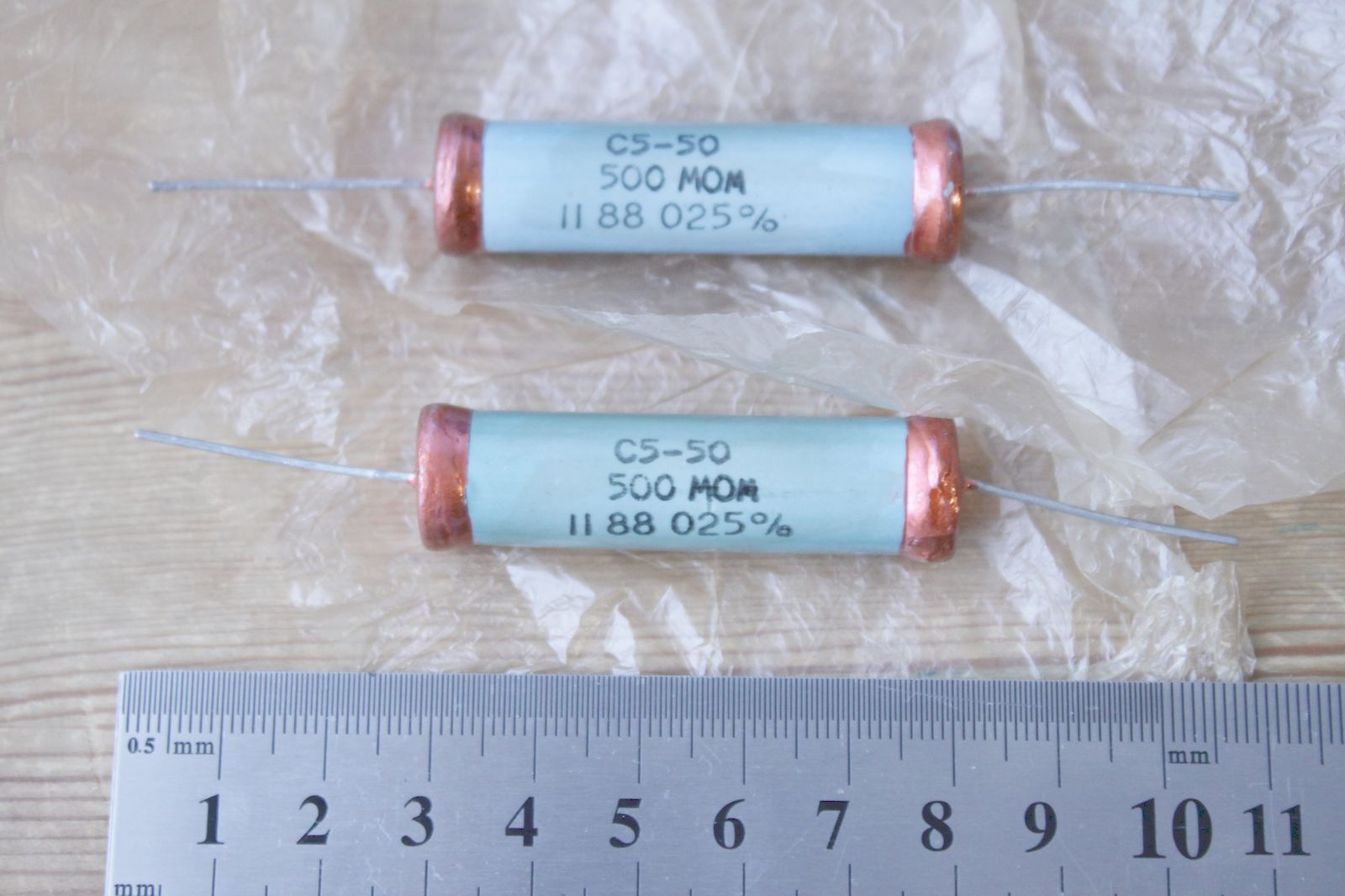
Here is how they actually look inside of P4030, without M1 letter.
Thanks for sharing the inside.
So, there are 2x 500 MOhm resistors in series with a small calibration resistor.
Can you measure the resistance of the small resistor?
Thanks for sharing the inside.
So, there are 2x 500 MOhm resistors in series with a small calibration resistor.
Can you measure the resistance of the small resistor?
Small one is 603.187 KOhm, big ones are 500 MOhm with precision 0,1%. Resistors model is МВСГ (MVSG) but the label is made of paper, such resistor are custom ones and are selected by tempco and can be created with non standard value. USSR industry was creating МВСГ resistors with printed labels and those are standard values and tempco.